Medina in America: Five Congregations Keeping the Prophet's Community Model Alive
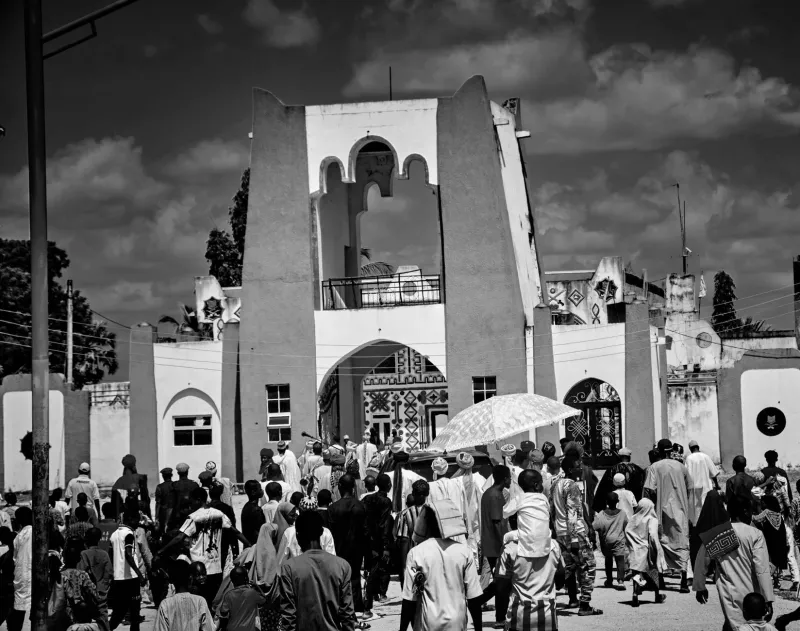
The first thing the Prophet Muhammad did upon arriving in Medina was not to legislate or preach. He built a masjid—simple, unbaked bricks and palm trunks—and then he turned it outward. The mosque of Medina became a shelter for the homeless (the Ahl al-Suffah), a school, a court, a food distribution point, and a diplomatic meeting hall. It was the community's beating heart, not merely its prayer venue.
Many American mosques, by contrast, have struggled to move beyond weekend parking-lot congestion and locked doors on weekdays. But across the country, a handful of congregations are consciously reviving the Medinan model. Here are five worth knowing—and learning from.
1. Muslim Association of Puget Sound — Redmond, Washington
MAPS has become a national reference point for what an outward-facing masjid can look like. During the pandemic, its volunteers delivered thousands of meals to neighbors of all faiths. Its open-mosque days draw hundreds of non-Muslim visitors, and its leadership deliberately recruits women into board and committee roles.
The Medinan lesson: The Prophet's mosque served everyone who came to its doors. A masjid that only serves its donors is a club; a masjid that serves its city is a legacy.
2. Islamic Society of Baltimore — Windsor Mill, Maryland
ISB runs a food pantry that serves the surrounding community regardless of religion, alongside health clinics and job-assistance programs. Its facilities hum with activity on weekdays, not just Fridays—a sign that the building functions as the community hub the Prophet intended.
The Medinan lesson: In Medina, no one who came to the mosque left hungry. The Ahl al-Suffah slept in the masjid itself and were fed by the community. A food pantry is not an add-on program; it is sunnah infrastructure.
3. Masjid al-Islam — North Smithfield, Rhode Island
This small New England congregation pioneered an interfaith model decades before it was fashionable, hosting open dialogues with neighboring churches and synagogues and joining statewide interfaith coalitions. Its modest size has never limited its ambition.
The Medinan lesson: The Constitution of Medina was, at its core, an interfaith agreement—binding Muslims, Jews, and others into a single civic community with mutual defense obligations. Dialogue is not a modern accommodation; it is the original design.
4. Islamic Center of Southern California — Los Angeles
Among the largest mosques in the country, ICSC has invested heavily in mental health programming, youth mentorship, and civic engagement, including voter registration drives and public advocacy. Its leadership development pipelines have produced imams and community organizers serving across the United States.
The Medinan lesson: The Prophet personally counseled companions in distress and built systems to integrate the young—most notably the youth of Medina who formed his inner circle. A masjid that ignores its young people's mental health is preserving a building while losing a community.
5. Atlanta Masjid of Al-Islam — Georgia
With roots in the American Muslim experience itself, Atlanta Masjid has long emphasized education, entrepreneurship, and neighborhood partnership. Its school, its community development initiatives, and its decades-long interfaith relationships in Atlanta demonstrate how a masjid can anchor both spiritual and economic life.
The Medinan lesson: Medina's Muslims did not separate worship from livelihood. The Prophet paired prayer with trade, education with ethics, and faith with civic responsibility. A community that prays together should also build together.
What Your Masjid Can Do Next
No congregation needs a multimillion-dollar expansion to follow these models. Start smaller and start now:
- Open the doors on a weekday. Host a neighbor's dinner or an open-house tour once a quarter.
- Ask the city, not just the community, what it needs. A food drive, a coat collection, a blood drive—sunnah in action.
- Give young people real authority. Let them chair a committee, run the social media, and shape the budget line for youth programming.
- Talk about mental health from the minbar. The Prophet tended to hearts; so should we.
- Build one durable interfaith relationship. Not an event—a relationship, with a name and a phone number.
The Prophet's mosque in Medina was described by travelers as a place where the poor slept, strangers were fed, and disputes were settled in the shade of palm-mat walls. Its power was never architectural. It was relational. The five congregations profiled here remind us that the blueprint still exists—and that any American masjid, in any zip code, can pick up a brick and start building.